M o n o g r a p h s


OVERVIEW:
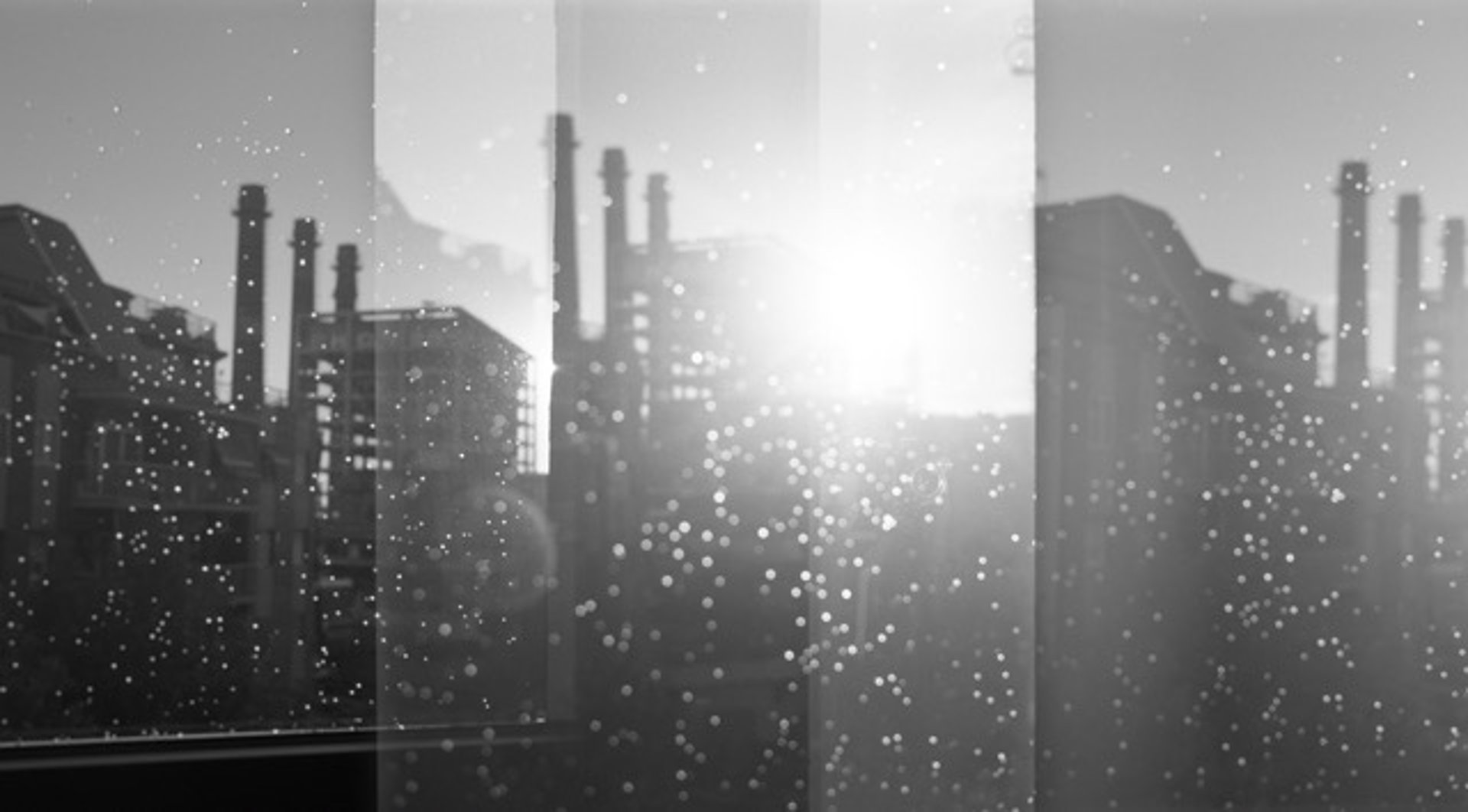
Earthquakes have torn through Italy’s fragile geological and social fabric, often leaving rifts that were never fully mended and deep scars across the landscape. After the 2009 earthquake that struck Abruzzo, photographer Francesca Cao began a journey mapping the country, searching for the remnants of past quakes, the architectures of emergency, and both the attempted and the failed reconstructions that have shaped the post-seismic landscape—not only in its physical form, but also in the ways communities inhabit and experience it. Balsorano, Montevago, Sant’Angelo a Scala, Messina, Poggio Reale, L’Aquila.
In the stillness of the places photographed by Francesca Cao, everyone carries their own earthquake within. Each person cultivates, in a different way, the memory of an event that changed—through varying modes, consequences, and intensities, yet always with disruptive force—the history of people, things, and cities. After the dust had settled, after the echoes of survivors’ cries, ambulance sirens, and breaking news broadcasts had faded, after Italy had turned its attention elsewhere and begun looking ahead once more, Francesca chose to look back. With the patience and care of someone determined to stitch together a story of ghosts and quiet resilience, of memories and waiting, of landscapes and interrupted lives. A story that now unfolds in the pages of the book Temporary Life, evoking the idea of a “temporary” life—left suspended, awaiting relocation toward a better future.
The curator Irene Alison/DER*LAB
I terremoti hanno aperto nel fragile tessuto geologico e sociale dell’Italia strappi spesso mai ricuciti, lasciando sul territorio tracce profonde. Dopo il sisma che ha colpito l’Abruzzo nel 2009, la fotografa Francesca Cao ha intrapreso un percorso di mappatura del paese, alla ricerca dei residui dei terremoti passati, delle architetture dell’emergenza, delle ricostruzioni tentate e di quelle mancate, che hanno segnato il paesaggio post-sismico anche nei modi e nelle forme del vivere delle comunità colpite. Balsorano, Montevago, Sant’Angelo a Scala, Messina, Poggio Reale, L’Aquila.
Ognuno, nella quiete dei luoghi fotografati da Francesca Cao, ha il suo terremoto in testa. Ognuno coltiva in un modo diverso la memoria di un evento che ha cambiato — con modi, conseguenze e intensità diverse, ma sempre dirompenti — la storia di uomini, cose, città. Dopo che la polvere si è posata, che è scemata l’eco delle grida dei sopravvissuti, delle sirene delle ambulanze e delle edizioni straordinarie dei telegiornali, dopo che l’Italia ha rivolto altrove la sua attenzione, ricominciando a guardare avanti, Francesca ha scelto di tornare indietro. Con la pazienza e la cura di chi vuole cucire insieme una storia di fantasmi e di silenziose resistenze, di ricordi e di attese, di paesaggi e di vite interrotte. Una storia che oggi, si dischiude dalle pagine del libro Temporary Life, a evocare l’idea di una vita “temporanea”, rimasta in sospeso, in attesa di un trasloco verso un futuro migliore.
La curatrice Irene Alison/DER*LAB
Temporary Life
2020
Published by: Postcart Edizioni
edited by DER*LAB
Traduzione di Geraldine Molinaro
with essays by Marco Damilano, Irene Alison
Fotografia
2020, Volume inserted in Fedrigoni Materica Kraft slipcase
Bilingual: English / Italian
18x21,6 cm, 108 pages, 500 copies
ISBN: 9788831363167
The book is held in the Donata Pizzi Collection and in the collection of Museo Madre, Naples.

"Temporary Life reminds us that every reconstruction is both material and spiritual. Every reconstruction starts from the past, from memory, from a suffocated and resigned craving for life, no longer screaming yet worthy of being told. Every reconstruction is a regeneration".
Marco Damilano
"Temporary Life ci ricorda che ogni ricostruzione è insieme materiale e spirituale. Ogni ricostruzione parte dal passato, dal ricordo, da un'ansia di vita strozzata, dimessa, non più urlata, eppure degna di essere raccontata. Ogni ricostruzione è una rigenerazione"
Marco Damilano